
Digital banking has become a cornerstone of modern financial systems, offering users convenience, accessibility, and efficiency. However, as digital transactions grow, so do concerns about security. Ensuring user trust is critical for banks to thrive in this competitive market. This blog explains how secure design can enhance user trust in digital banking, exploring key principles, strategies, and the role of technology.
The Importance of Security in Digital Banking
There are an estimated 3.6 billion digital banking users globally. This shows us the widespread adoption and growth of digital banking. However, this expansion also brings an increased risk of cyber threats. Looking back, a report revealed that cyberattacks targeting financial institutions surged by 238% in the first half of 2020, emphasizing the critical need for robust security measures. As users expect seamless digital experiences, any compromise in security can quickly erode trust, making it essential for financial institutions to prioritize strong cybersecurity to maintain user confidence.
Why is security critical?
- Safeguarding user data: Sensitive financial data is a prime target for cybercriminals.
- Regulatory compliance: Governments worldwide enforce stringent data protection laws like GDPR and CCPA.
- Reputation management: Breaches can result in financial and reputational losses.
Building user trust requires banks to adopt a security-first design approach while maintaining usability.
Principles of Secure Design in Digital Banking
1. Adopt a User-Centric Security Approach
Security measures should be intuitive and user-friendly. Overcomplicated processes can frustrate users and drive them to less secure alternatives.
- Simplify authentication: Replace complex password requirements with biometric authentication like fingerprint or facial recognition.
- Use clear communication: Notify users about suspicious activity with easy-to-understand alerts and guidance.
2. Implement Multi-Layered Authentication
Single authentication methods are no longer sufficient. Multi-factor authentication (MFA) significantly strengthens security by requiring multiple credentials.
- Combine something you know (passwords), something you have (a phone or token), and something you are (biometrics).
- Consider emerging solutions like behavioral biometrics, which analyze user habits for additional security layers.
3. Secure Data with Encryption
End-to-end encryption ensures that data remains protected during storage and transmission.
- AES-256 encryption is a gold standard for securing sensitive information.
- Banks should also adopt tokenization, replacing sensitive data with unique identifiers during transactions.
4. Proactive Threat Detection and Response
Banks must deploy advanced threat detection systems to identify and mitigate risks in real time.
- Leverage AI and machine learning to monitor unusual user behaviour.
- Set up automated response systems for potential breaches, minimising downtime and user impact.
Strategies to Enhance User Trust
i. Transparency in Security Practices
Users trust institutions that are open about their security measures. Regularly update customers about:
- Security enhancements.
- Privacy policies and how their data is used.
ii. Educate Users About Online Safety
Empowering users to recognize and avoid phishing attempts or malware is critical.
- Provide in-app tutorials or notifications about common scams.
- Gamify security awareness to make learning engaging and memorable.
iii. Smooth Security Integration
Security shouldn’t disrupt user experience. Banks should focus on:
- Frictionless transactions: Ensure MFA and encryption processes run smoothly without causing delays.
- Accessibility: Design security features for diverse users, including those with disabilities.
iv. Continuous User Feedback
Establish trust by acting on user feedback. If users express concerns about certain features, banks should address them promptly. This two-way communication builds loyalty and trust.
Using Technology for Secure Digital Banking
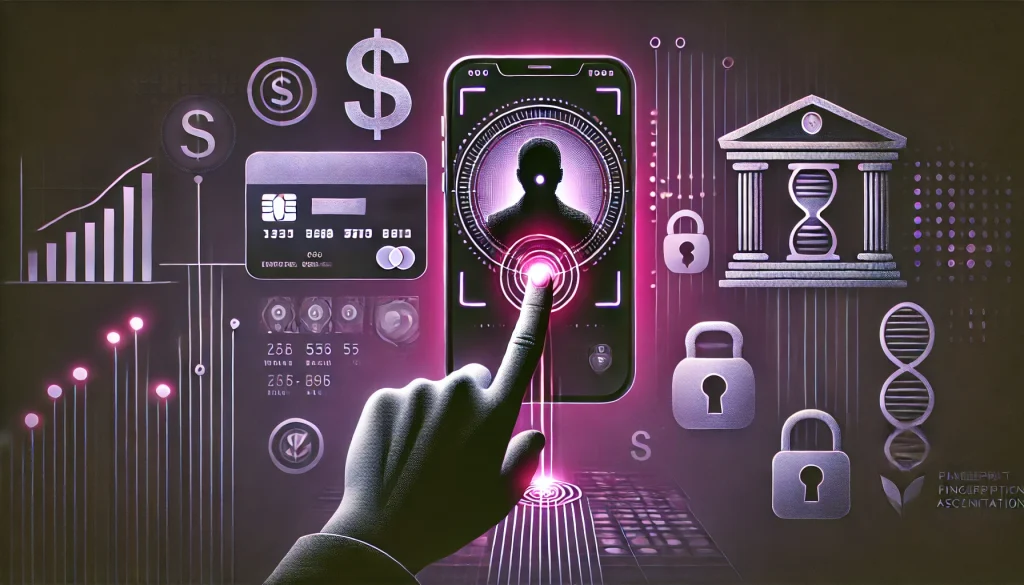
- Blockchain for Immutable Transactions: Blockchain technology ensures data integrity through immutable ledgers, reducing the risk of fraud. Use blockchain for high-value transactions or to verify the identity of new users.
- Artificial Intelligence in Fraud Prevention: AI models analyze large datasets to detect anomalies in real time.
- Biometric Authentication: Biometrics is increasingly popular for its combination of security and convenience. Juniper Research predicts that biometrics will authenticate more than $3 trillion in payment transactions by 2025.
Addressing Challenges in Secure Design
While the principles and strategies above provide robust frameworks, challenges remain:
- Balancing security and usability: Excessive security measures can hinder user experience.
- Adapting to new threats: Cybercriminals continuously evolve tactics, requiring banks to stay ahead.
- Cost of implementation: Integrating advanced technologies like AI and blockchain can be expensive.
Banks must adopt agile approaches to respond to these challenges effectively.
Case Studies: Banks Leading in Security
- JPMorgan Chase: The bank uses AI-driven security systems and has invested over $600 million annually in cybersecurity measures.
- HDFC Bank: Known for its robust MFA and customer education initiatives.
- ING Bank: A pioneer in blockchain adoption for secure transactions.
Future Trends in Secure Digital Banking
- Zero-Trust Architecture: Banks are increasingly adopting zero-trust frameworks, which assume no user or device is trusted by default.
- Post-Quantum Cryptography: With quantum computing on the horizon, banks are exploring encryption methods that remain secure against quantum attacks.
- Decentralized Identity Systems: Using blockchain-based identity systems, users can verify their identity without sharing sensitive data.
Conclusion
Designing for security in digital banking is not just a technical necessity – it’s a trust-building exercise. By prioritising user-centric security, integrating advanced technologies, and maintaining transparency, banks can foster a secure and trustworthy environment. As threats evolve, continuous innovation in security design will remain essential to stay ahead and maintain user trust.
Also Read: Elevating Online Banking Security & Loyalty Through Intuitive UX Design