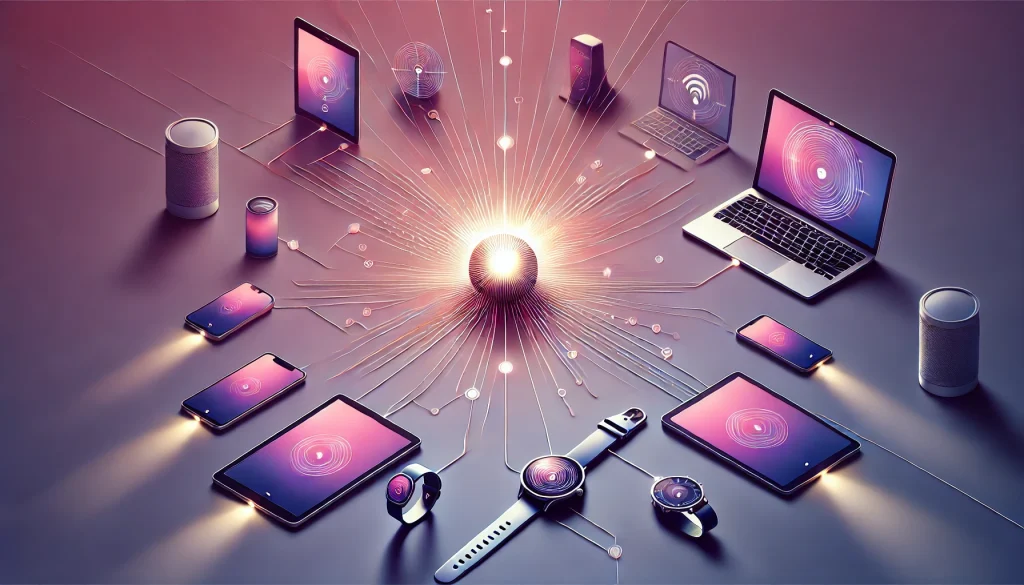
Multi-channel marketing has become essential for effective brand communication in the digital age. It revolves around delivering a unified message across various platforms — social media, email, websites, mobile apps, and offline channels. However, the success of multi-channel marketing doesn’t rely solely on messaging; it depends on how seamless and engaging the customer experience is across all touchpoints. This is where User Experience (UX) design plays a critical role.
In this blog, we will look into the pivotal role of UX in enhancing multi-channel marketing efforts, emphasising how it drives consistency, engagement, and conversions while addressing challenges unique to this dynamic landscape.
The Symbiotic Relationship Between UX and Multi-Channel Marketing
1. Ensuring Consistency Across Touchpoints
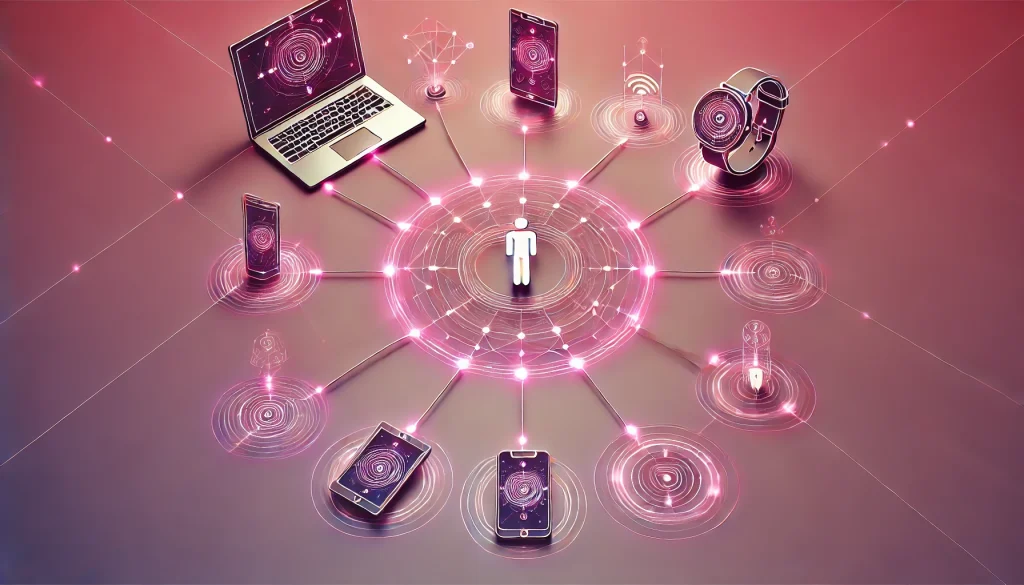
Consistency is key in multi-channel marketing, but achieving it can be complex when multiple platforms and devices are involved. UX helps maintain uniformity by designing interfaces, interactions, and journeys that look and feel cohesive, irrespective of the channel.
According to Salesforce’s State of Connected Customer report, 76% of consumers expect consistent interactions across departments and platforms.
For instance, if a customer starts exploring a product on a brand’s mobile app and later visits its desktop website, the experience should feel continuous and familiar. A consistent UX strengthens brand recognition and fosters trust.
2. Personalising the Customer Journey
Modern consumers expect experiences tailored to their preferences and behaviours. UX design, paired with data-driven insights, enables brands to personalise touchpoints across channels.
Example: Spotify’s multi-channel approach, where the app’s algorithm recommends playlists based on listening habits, extends to personalised email marketing campaigns.
A report found that 91% of consumers are more likely to shop with brands that provide relevant offers and recommendations.
By understanding user personas and leveraging behavioural data, UX designers can create personalised interactions that enhance user satisfaction and loyalty.
UX Strategies for Enhancing Multi-Channel Marketing
1. Optimising for Mobile-First Experiences
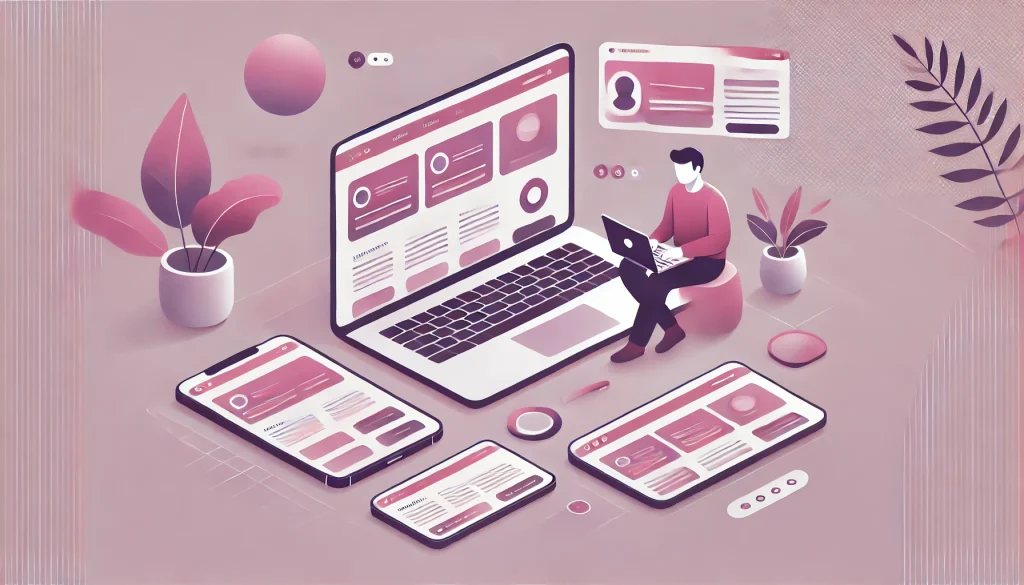
With over 60% of web traffic originating from mobile devices, ensuring a mobile-first design is no longer optional. Mobile optimisation not only enhances usability but also influences how users perceive your brand across other channels.
- Tactic: Use responsive design principles to ensure your website adapts seamlessly to different screen sizes.
- Example: Brands like Amazon excel in mobile optimisation, ensuring that users can transition from mobile apps to desktop sites effortlessly without losing progress or context.
2. Streamlining Cross-Channel Navigation
A well-designed UX ensures that users can switch between channels without feeling disoriented. Clear navigation cues, synchronised data, and intuitive design elements are vital.
Example: Starbucks’ loyalty program is accessible via its app, website, and in-store systems, offering a unified experience.
According to Harvard Business Review, 73% of shoppers engage with multiple channels throughout their purchasing journey.
3. Utilising Micro-Interactions
Micro-interactions — subtle animations or design cues — enhance the usability of interfaces and provide feedback during interactions. These elements play a crucial role in multi-channel marketing by engaging users and making their experience memorable.
Tactic: Incorporate progress indicators, hover effects, or haptic feedback in mobile apps and websites.
Slack’s delightful micro-interactions, such as message-loading animations, create a cohesive experience across its desktop and mobile platforms.
The Role of Data in UX-Driven Marketing
i. Using Analytics for Continuous Improvement
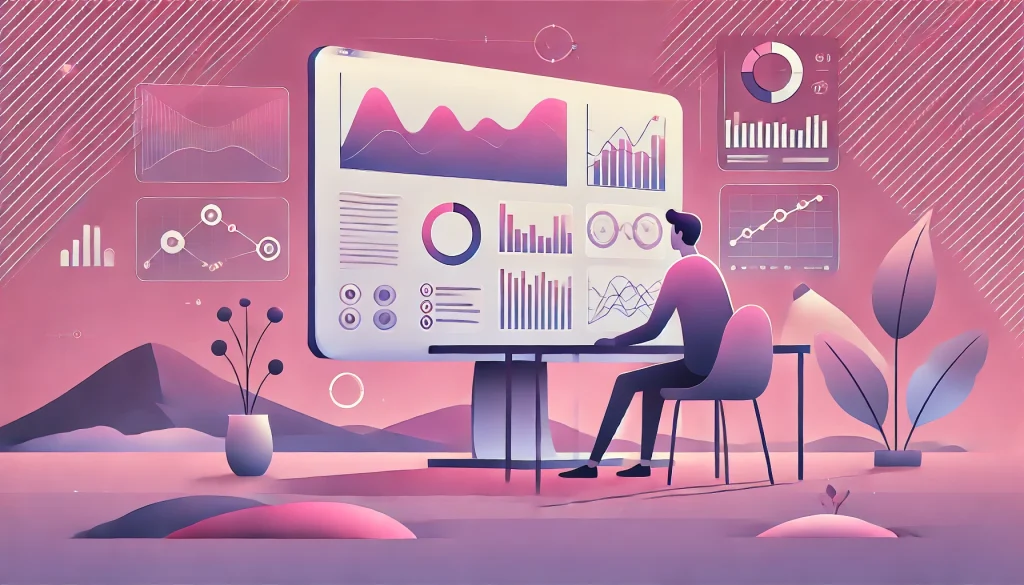
Data from various channels provides invaluable insights into user behaviour, preferences, and pain points. UX teams can use this information to optimise touchpoints and create a unified experience.
Google reports that 40% of users abandon mobile sites that take longer than three seconds to load.
Actionable Tip: Regularly monitor analytics to identify friction points in the user journey and address them through iterative design.
ii. A/B Testing for Better Multi-Channel Experiences
A/B testing allows brands to experiment with different UX elements across channels to determine what resonates most with users.
Example: Netflix uses A/B testing extensively to optimise its interface, ensuring that the experience aligns with user preferences on all devices.
Challenges in Multi-Channel UX and How to Overcome Them

a. Fragmented Data Across Channels
One of the most significant challenges is unifying data from various platforms. Fragmented data can lead to inconsistent experiences and missed opportunities for personalisation.
Solution: Use tools like Customer Data Platforms (CDPs) to integrate data from all channels, creating a single source of truth for UX optimisation.
b. Channel-Specific Constraints
Each channel comes with its own limitations, such as screen size, interaction methods, or user expectations. Designing a unified UX while respecting these constraints requires careful planning.
Example: An email campaign might need to guide users seamlessly to a mobile app without causing interruptions or confusion.
c. Balancing Personalisation and Privacy
While personalisation is essential, it’s equally important to respect user privacy. Transparent communication about data usage and providing opt-in mechanisms can help balance this equation.
83% of consumers are open to sharing their data in return for a tailored shopping experience.
Future Trends in UX for Multi-Channel Marketing
1. AI-Driven Personalisation
Artificial Intelligence (AI) is revolutionising UX by enabling hyper-personalised experiences across channels. Predictive analytics and AI-powered chatbots are becoming integral to multi-channel strategies.
2. Voice and AR Interfaces
Emerging technologies like voice assistants and Augmented Reality (AR) are creating new touchpoints for multi-channel marketing. Designing intuitive UX for these channels will be critical.
Example: IKEA’s AR-powered app allows users to visualise furniture in their homes, seamlessly integrating this experience with its e-commerce platform.
3. Focus on Accessibility
Accessibility is no longer a niche concern but a fundamental aspect of UX design. Ensuring that multi-channel experiences are inclusive will enhance brand reach and loyalty.
The World Bank estimates that over 15% of the global population experiences some form of disability, highlighting the need for accessible designs.
Conclusion
As technology evolves, the role of UX in creating unified, engaging, and accessible experiences will only grow. Using data, embracing emerging trends, and overcoming challenges will ensure that multi-channel strategies not only reach but resonate with audiences.
Also Read: Elevate Your Marketing Game With Visual Storytelling