
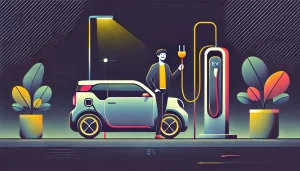
As governments push for greener transport and carmakers roll out more EV models, one big question still lingers: Are we doing enough to make charging them easy, convenient, and user-friendly?
At the heart of this issue is the user experience (UX) of EV charging stations. Good UX is not just about sleek screens or fancy apps. It’s about removing friction, building trust, and making the entire process – from finding a charger to paying for power – feel smooth and intuitive. And when done right, it can play a huge role in helping more people switch to electric.
Let’s break down how UX design can directly impact EV adoption and where current charging networks often fall short.
The First Impression: Can You Find a Charger Easily?
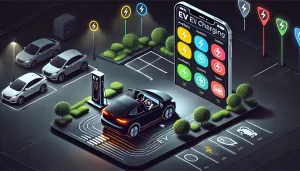
Before even plugging in, the experience begins with finding a charging station. For many drivers, this step is confusing and frustrating. Charging stations may be hidden in corners of parking lots, mislabeled on apps, or worse, already occupied or out of service.
And this isn’t a small problem. In late 2024, 20% of public charging attempts failed, according to J.D. Power. These failures were mostly due to equipment issues, station downtime, or user interface problems – all of which directly point to poor UX.
To fix this, better digital and physical design is needed:
- Reliable real-time data in maps and apps can show available chargers, power levels, pricing, and more.
- Clear signage on roads and in parking areas helps drivers spot stations without stress.
- Consistent branding and color schemes across networks can build familiarity and reduce hesitation.
If people can’t trust that they’ll find a working charger when they need one, they won’t feel confident about owning an EV.
Designing for Accessibility and Comfort
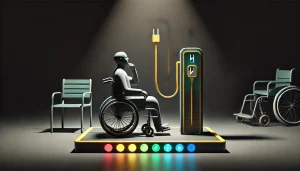
Once at the station, the physical setup matters. Many chargers are placed without much thought for accessibility or comfort. Some are in tight spots, lack shelter from rain or sun, or don’t account for people with disabilities.
Good UX means:
- Ergonomic placement of chargers at a reachable height.
- Covered stations that protect users from weather.
- Lighting and security features that make night-time charging safe.
- Space for multiple vehicle sizes, including larger EVs or those towing trailers.
A charging station is a space where people spend time. Making it feel safe, accessible, and easy to use encourages repeat visits and builds long-term trust.
The Interaction: How Easy Is It to Plug, Pay, and Go?
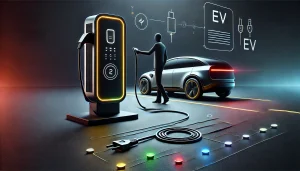
Plugging in a car should be simpler than fueling up. Yet many drivers report confusing instructions, broken screens, unclear pricing, or apps that don’t work properly.
And the impact of these hiccups shows in user satisfaction. According to J.D. Power’s EVX Public Charging Study, satisfaction with Level 2 chargers declined in 2024, scoring just 614 out of 1,000. Even fast chargers, while improving, only reached 664 points – far from ideal.
The interaction design at this stage must be foolproof:
- Step-by-step instructions in multiple languages, displayed clearly.
- Touchscreens or app interfaces that are responsive and simple — think big buttons, readable fonts, no clutter.
- Contactless payments that don’t require downloading yet another app.
- Upfront pricing that tells users exactly what they’re paying for — whether by kilowatt-hour, minute, or session.
When charging feels unpredictable or overcomplicated, it creates anxiety. A smooth, smooth interaction builds confidence and encourages wider adoption.
Waiting Well: Turning Idle Time into a Positive Experience
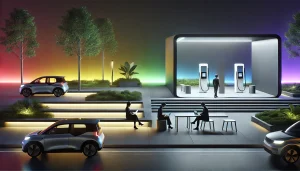
Unlike petrol stations, EV charging takes longer. Even fast chargers often take 15 to 45 minutes. So what do drivers do during that time?
This is a golden opportunity to improve UX and even create new value:
- Comfortable waiting areas with seating, Wi-Fi, and toilets can make charging feel less like a chore.
- Integration with cafes, shops, or co-working spaces adds usefulness to the wait.
- Progress tracking on the app or screen helps drivers plan better and reduces the “range anxiety” that still stops many from switching to EVs.
Rather than seeing the wait as a problem, smart design can turn it into a selling point.
Designing for All: Think Beyond the Tech-Savvy User
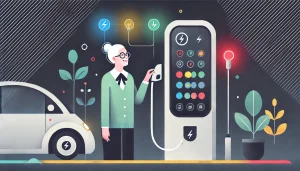
Not all EV drivers are tech enthusiasts. Many are seniors, non-English speakers, or people new to electric mobility. If UX only caters to digital natives, it risks alienating a large audience.
So, the design must be:
- Inclusive, using clear icons, simple language, and minimal steps.
- Fail-safe, meaning even if the app fails or network is down, users can still charge.
- Friendly, offering customer support options or help buttons that actually work.
UX is not just about convenience. It’s about dignity – making sure everyone feels comfortable and respected during the process.
Building Trust Through Feedback and Transparency
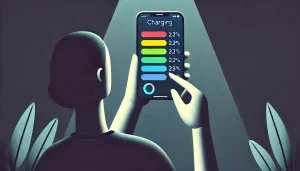
Good UX doesn’t end after charging is done. Users should feel they’ve had a trustworthy experience and that they can give feedback if something went wrong.
Charging networks can improve this by:
- Sharing receipts and usage summaries immediately via email or app.
- Allowing feedback through quick, optional surveys.
- Displaying service history or status updates for chargers, so users know what’s being done to keep them reliable.
In fact, research shows that 65% of negative feedback on public charging experiences is related to insufficient availability of chargers. When users are left guessing – or waiting in line with no clue when a charger will free up – trust in the system breaks down.
UX Is Not Just Design, It’s Strategy
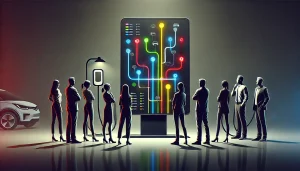
To truly improve EV adoption, governments, companies, and city planners must treat UX as part of their larger strategy. It’s not just about building more stations — it’s about building smarter ones.
Here’s what that can look like:
- Involving users in the design process, through interviews or testing.
- Learning from other industries. For example, the hospitality sector knows how to make small public spaces feel welcoming.
- Treating charging as part of the full EV journey, from buying the car to planning trips.
When UX is baked into policy, funding, and business goals, the entire system becomes more usable, scalable, and human-centered.
Conclusion
Switching to electric vehicles isn’t just about cleaner air or lower emissions. It’s also about making a real lifestyle change. For that change to stick, people need to feel that EVs are not only a good idea, but also easy to live with.
That’s where UX comes in.
By designing EV charging stations that are easier to find, more intuitive to use, and more pleasant to wait at, we remove barriers that slow down adoption. We also send a clear message: the future of transport is not just electric, it’s user-friendly.
When the experience of charging feels as smooth and trustworthy as plugging in your phone, that’s when EVs will truly go mainstream.