
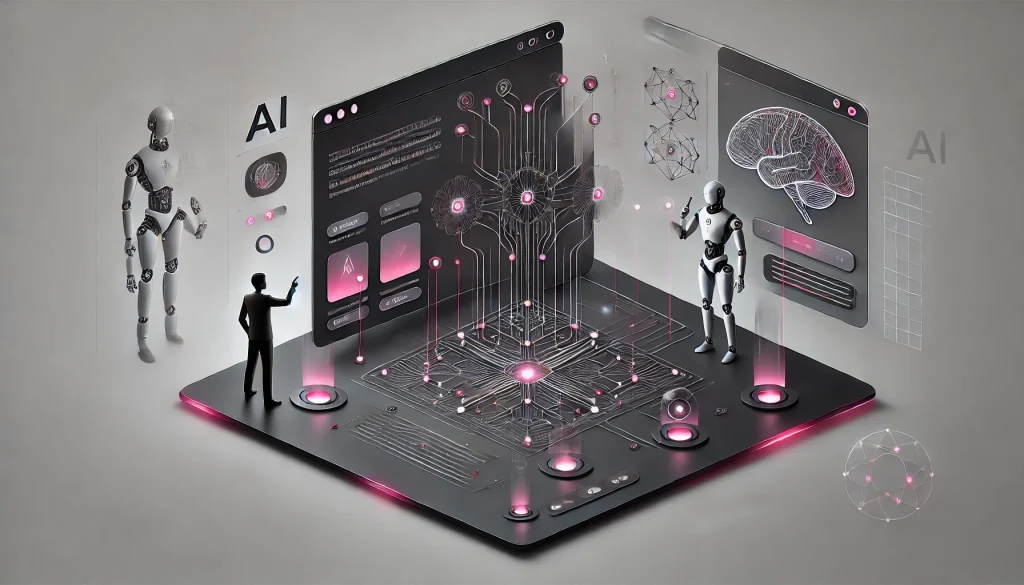
Artificial intelligence (AI) is transforming numerous industries, and web development is no exception. In particular, AI-powered front-end development is changing how websites are designed, built, tested, and optimized. What once required extensive manual coding and repetitive design adjustments can now be supported by AI, allowing developers to create more efficient, responsive, personalized, and accessible digital experiences.
AI does not replace the need for skilled front-end developers. Instead, it provides an additional layer of assistance that can automate repetitive work, identify patterns, generate code suggestions, and help teams make better design and development decisions.
For businesses, AI in web development can go beyond development speed. When combined with strong UX and front-end practices, AI can help create websites that respond better to user needs. Businesses exploring this approach can also learn more about UX for AI solutions and how intelligent digital experiences can be designed around users.
What Is AI-Powered Front-End Development?
AI-powered front-end development combines traditional front-end technologies with artificial intelligence to improve the process of designing, developing, testing, and optimizing websites and web applications.
AI can assist with code generation, UI optimization, personalization, accessibility checks, debugging, testing, and user behavior analysis. Instead of replacing developers, AI works alongside them to reduce repetitive work and give teams more time to focus on architecture, creativity, usability, and complex problems.
This makes AI website development particularly useful for businesses looking to build faster and more adaptive digital experiences without compromising usability or performance.
How AI is Revolutionising Front-End Development: Key Applications and Benefits
AI is transforming website design and development by automating repetitive tasks and personalising user experiences, allowing developers to achieve more in less time.
Key areas where AI is revolutionising front-end development include:
- Automated Coding Assistance: AI-driven coding tools can suggest code snippets, explain existing code, and help developers complete repetitive tasks faster.
- AI-Driven UI Design: AI can help teams explore interface variations, identify patterns, and improve layouts based on user and design requirements.
- Design Optimisation: AI can analyze user behavior and performance signals to identify opportunities for improving engagement and conversion.
- Content Personalisation: AI can dynamically adjust website content based on user preferences, behavior, and intent.
- Error Detection and Debugging: AI-assisted tools can identify potential coding errors and help developers troubleshoot problems.
- Accessibility Improvements: AI can identify common accessibility issues and provide suggestions during the development process.
- Automated Testing: AI can support testing across browsers, devices, and different interaction scenarios.
Together, these capabilities make AI-assisted front-end development a practical approach for modern websites and digital products.
Automating Routine Tasks
Traditionally, front-end development involved manually writing HTML, CSS, and JavaScript. With the introduction of AI, many repetitive tasks can now be assisted or partially automated, freeing developers to focus on more complex and creative work.
AI-powered tools can analyze existing codebases, suggest improvements, generate components, explain unfamiliar code, and help developers identify potential issues. This can reduce repetitive manual work and accelerate development workflows.
AI-Assisted Coding and Code Generation
One of the biggest changes in modern development is AI-assisted coding. AI coding tools can generate code from natural-language instructions, suggest JavaScript functions, create CSS components, and help developers work with existing code.
For front-end teams, this can be particularly useful when creating repetitive components, documentation, basic layouts, or variations of existing elements.
However, AI-generated code still requires human review. Developers need to verify that the code is secure, maintainable, accessible, performant, and compatible with the project’s architecture.
AI should therefore be treated as a development assistant rather than an autonomous replacement for engineering expertise.
AI-Driven Design Systems
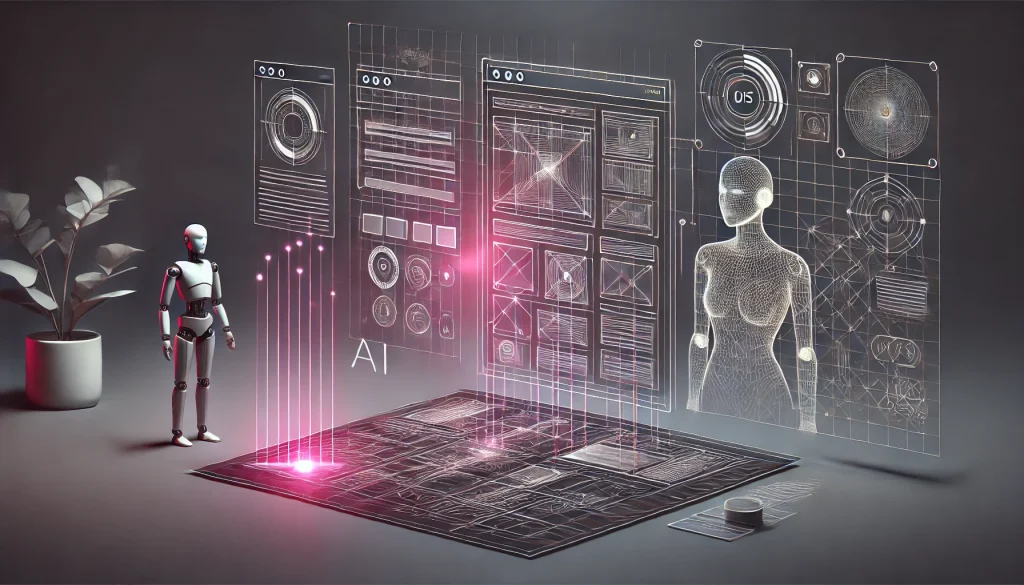
Another major innovation in front-end development is the use of AI to support design systems. AI tools can help transform design concepts and wireframes into functional interface components, reducing the time between design and development.
AI can also support AI-driven UI design by helping teams explore different interface variations and identify patterns that may improve usability.
When AI is connected with an established design system, it can help maintain consistency while adapting components for different devices, user scenarios, and content requirements.
This creates a closer connection between UX design and front-end development. Instead of treating design and development as completely separate stages, teams can use AI-assisted workflows to move more efficiently from concepts and prototypes toward production-ready interfaces.
AI can also support responsive design by helping teams analyze how interfaces behave across different screen sizes and identifying potential layout issues.
Personalisation Through AI
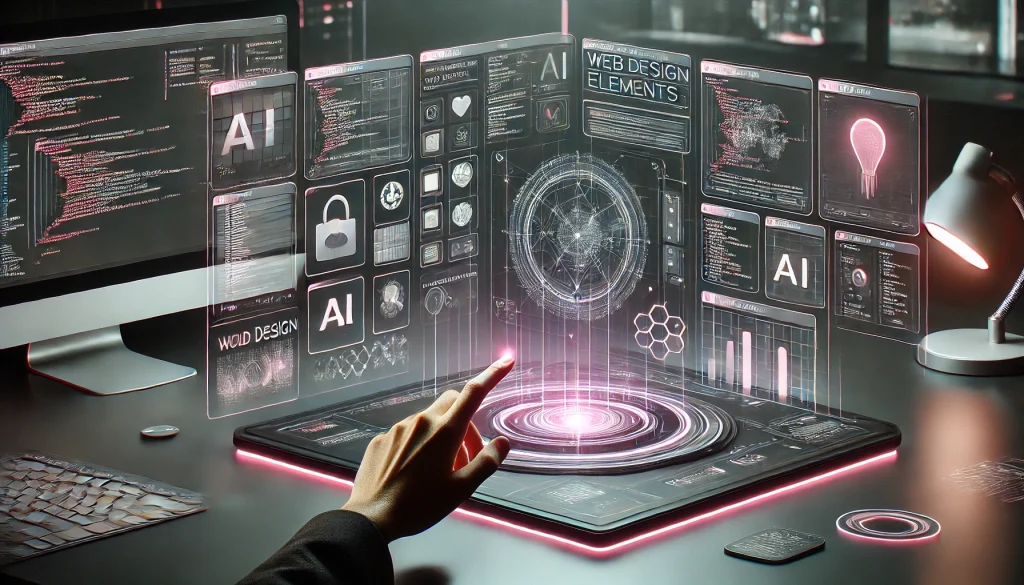
AI allows front-end developers to deliver highly personalised user experiences. Machine-learning systems can analyze user behavior, preferences, interactions, and other signals to create more relevant content and user journeys.
By analyzing user data, AI can dynamically alter the content a visitor sees based on browsing habits, geographic location, previous interactions, or potential intent.
For example, an e-commerce website can recommend products based on previous browsing or purchasing behavior. A SaaS website could highlight different features depending on the visitor’s industry or stage in the buying journey.
For businesses designing intelligent experiences, strong AI UX design is important to ensure personalization remains useful, understandable, and aligned with user needs.
Improving Accessibility with AI
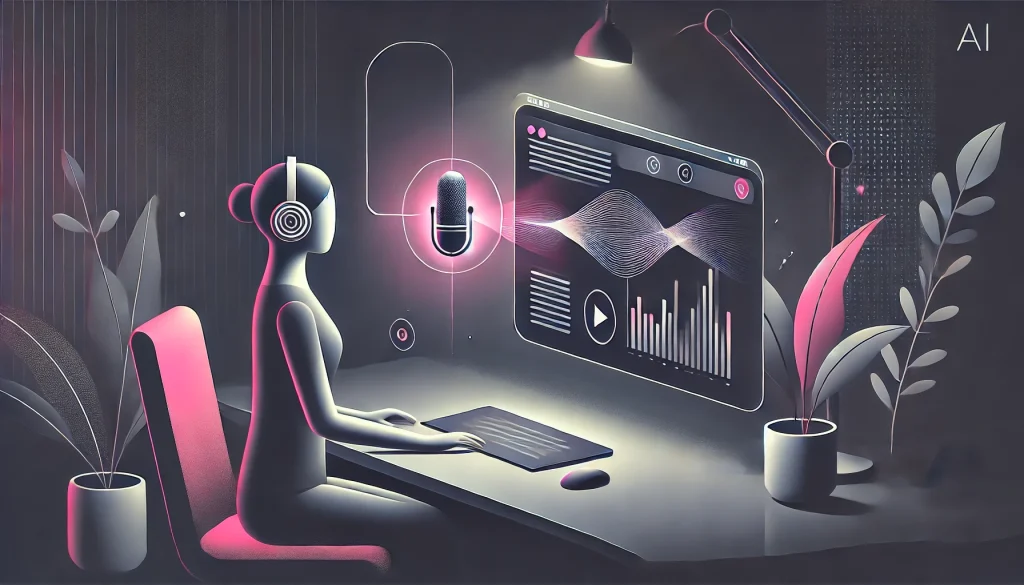
Making websites accessible to all users, including people with disabilities, is a crucial aspect of modern front-end development.
AI-driven tools can analyze website code and identify potential accessibility problems such as missing alt text, poor color contrast, inconsistent content structures, or other issues that may affect usability.
AI can also assist with generating alternative content, captions, speech-based interactions, and other accessibility-related features.
However, automated accessibility checks should complement rather than replace manual testing. Human review and testing with real users remain important for understanding whether an interface is genuinely usable with different assistive technologies.
AI-Powered Testing and Debugging
AI’s ability to detect patterns in code and user behavior can make testing and debugging more efficient.
Traditionally, front-end developers spend considerable time testing websites across browsers, devices, screen sizes, and interaction scenarios. AI-assisted testing can help automate parts of this process and identify potential issues earlier.
AI can support testing across different browser environments and device configurations while helping teams identify patterns in errors and performance issues.
AI-assisted systems can also help prioritize defects based on their potential impact, allowing development teams to focus on the problems that matter most to users.
This makes AI-powered front-end testing particularly useful for larger websites and applications where manually checking every possible environment can become time-consuming.
Human validation is still essential before deploying AI-assisted fixes to production.
Natural Language Processing (NLP) in User Interfaces
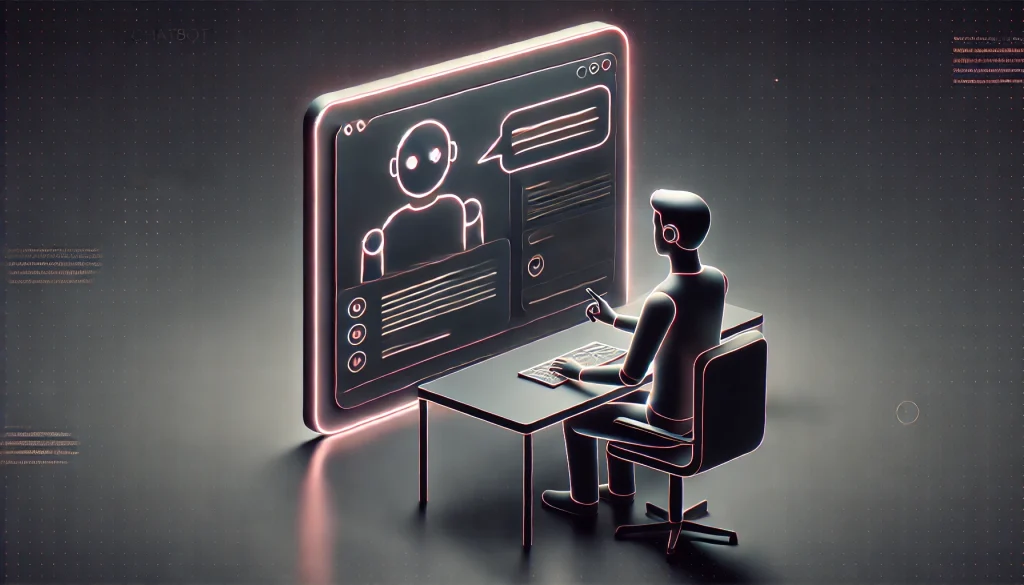
One of the most exciting AI developments in front-end design is the use of natural language processing (NLP) to enhance user interfaces.
Chatbots, voice search, AI assistants, and conversational UI allow users to interact with websites using natural language instead of navigating complex menus.
This shift can make digital products easier to use, particularly when users do not know exactly where to find the information they need.
By integrating AI-powered chatbots, businesses can provide support around the clock, answer common questions, qualify leads, and guide users toward relevant content or services.
Challenges of AI in Front-End Development
While AI brings numerous advantages to front-end development, it also presents challenges.
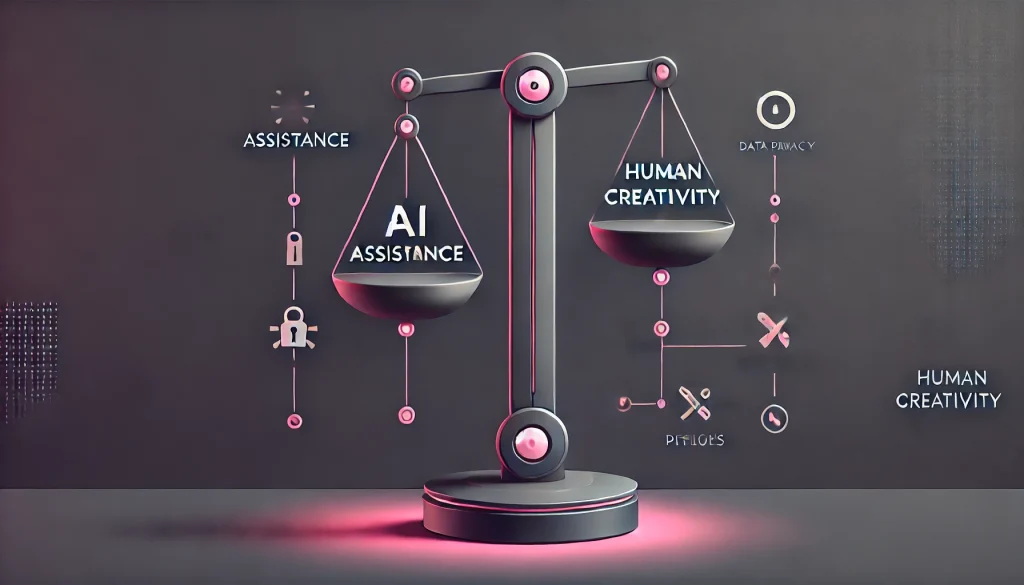
One concern is over-reliance on AI. Developers who depend too heavily on AI-generated suggestions may end up with websites that feel generic or lack a distinctive brand identity.
Another challenge is data privacy. AI-driven personalization often requires analyzing user data, so businesses need to consider privacy requirements, data handling practices, consent, and applicable regulations.
Accuracy, Quality, and Human Oversight
AI-generated code and design recommendations are not always correct. An AI system may produce inefficient code, misunderstand a design requirement, introduce accessibility problems, or recommend an approach that does not fit the project’s architecture.
For this reason, human oversight in AI-powered front-end development remains essential.
Developers should review AI-generated outputs, test functionality, validate accessibility, evaluate performance, and confirm that the final implementation meets project requirements.
The most effective approach is not AI versus developers. It is AI-assisted development, where automation handles repetitive work while developers remain responsible for technical decisions, quality, creativity, and the final user experience.
The Future of AI in Front-End Development
As AI continues to evolve, its impact on front-end development will likely grow.
Future workflows may include more advanced AI-assisted coding, adaptive design systems, automated testing, personalized interfaces, accessibility support, and faster transitions from design concepts to functional components.
Developers will need to stay informed about emerging AI technologies while strengthening their understanding of UX, accessibility, performance, security, and responsible AI design.
The future of front-end development is therefore unlikely to be completely automated. Instead, it will increasingly combine human creativity and decision-making with AI-powered assistance.
For a deeper look at designing trustworthy AI experiences, explore UX for AI and the role of complexity, trust, and security in AI design.
Frequently Asked Questions
What is AI-powered front-end development?
AI-powered front-end development combines artificial intelligence with front-end technologies to assist with coding, UI design, personalization, testing, accessibility, debugging, and website optimization.
How is AI changing front-end development?
AI is changing front-end development by automating repetitive coding tasks, generating code suggestions, analyzing user behavior, supporting UI optimization, improving testing, and enabling more personalized interfaces.
Can AI generate front-end code?
Yes. AI coding tools can generate HTML, CSS, JavaScript, and framework-specific code from natural-language instructions. Developers should still review and test AI-generated code before using it in production.
What are the benefits of AI in web development?
AI can help development teams work more efficiently, automate repetitive tasks, personalize user experiences, identify potential issues, support accessibility, and improve testing and optimization workflows.
How does AI improve website user experience?
AI can improve user experience by personalizing content, predicting user intent, powering conversational interfaces, improving search, recommending relevant information, and adapting digital experiences based on user behavior.
Will AI replace front-end developers?
AI is more likely to change the role of front-end developers than completely replace them. Developers remain important for architecture, creativity, accessibility, security, quality assurance, technical decisions, and understanding user needs.
How can AI improve front-end testing?
AI can assist with automated testing across browsers and devices, identify patterns in errors, prioritize potential issues, and help developers detect bugs earlier in the development process.
Is AI useful for responsive web design?
Yes. AI can help teams analyze how users interact with websites across different devices and identify opportunities to improve layouts, content placement, and responsive behavior.
How can businesses use AI in front-end development?
Businesses can use AI for personalized websites, intelligent search, chatbots, recommendation systems, automated testing, accessibility improvements, predictive experiences, and AI-assisted development workflows.
What is the future of AI in front-end development?
The future will likely involve greater AI assistance in coding, adaptive interfaces, automated testing, personalization, accessibility, and design-to-development workflows. Human developers will continue to guide architecture, quality, creativity, and user-centered decisions.
Final Thoughts
AI is changing front-end development by making many parts of the design and development process faster, more adaptive, and more data-driven.
From AI-assisted coding and design systems to personalization, accessibility, testing, and conversational interfaces, the technology can support developers throughout the entire front-end development lifecycle.
However, successful AI-powered front-end development requires more than simply adding AI tools. Businesses need a clear strategy, strong UX principles, responsible data practices, and human oversight.
When these elements work together, AI can help teams create websites that are not only faster to build but also more personalized, accessible, responsive, and useful for the people who use them.
Also Read: UX for AI: Balancing Complexity, Trust, and Security in Design
With AI-Powered Front-End.