Weaving New Paths
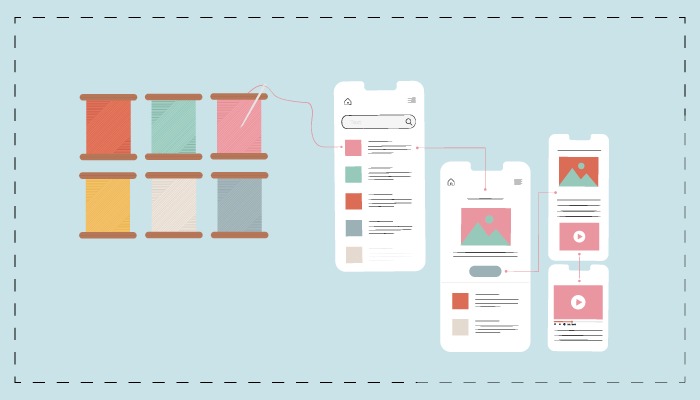
Embarking on a career transition can be both exhilarating and daunting. As someone who once thrived in the world of textile design, my journey into the realm of User Experience (UX) design has been a transformational experience that has enriched my skills, broadened my perspective and opened a whole new world of creative possibilities.
Why the Transition
After college, I had the opportunity to assist a friend with a few landing page design concepts. Little did I know, that this experience would open the door to the captivating world of UI/UX design and its boundless potential. Fueled by curiosity and a hunger for knowledge, I embarked on a quest through the internet in search of free resources to self-educate in this dynamic field.
Some courses I undertook on this journey were:
Parallels Drawn and My Learnings
1. From Patterns to Interfaces
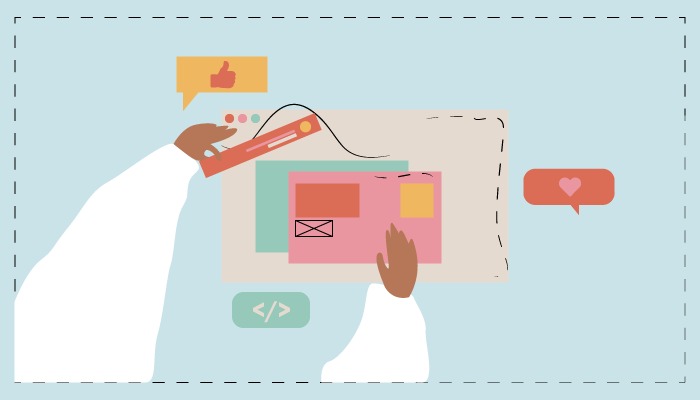
In the world of textile design, I found joy in creating intricate patterns, harmonizing colors, and exploring textures. The transition to UX design marked a paradigm shift—shifting my focus from static patterns to something more interactive.
2. Empathy and User-Centered Design
Textile Design taught me the value of understanding a customer’s preferences and needs. As a textile designer, I tailored designs to resonate with specific target groups. This knack for empathy translates remarkably well into UX design, where empathy forms the cornerstone of user-centered design.
3. Attention to Detail
In Textile design, precision is essential. A misplaced thread or a print can disrupt the creation of an entire fabric. This attention to detail has become an invaluable asset in UX design. Crafting intuitive user interfaces demands meticulousness, from aligning elements to perfecting spacing and ensuring pixel-perfect execution.
4. Upskilling and Learning Curves
Transitioning careers involves a learning curve, and I found myself delving into the technical aspects of UX design. Learning about wireframing, prototyping tools, and user testing added a layer of depth to my skill set.
A Fusion of Passions
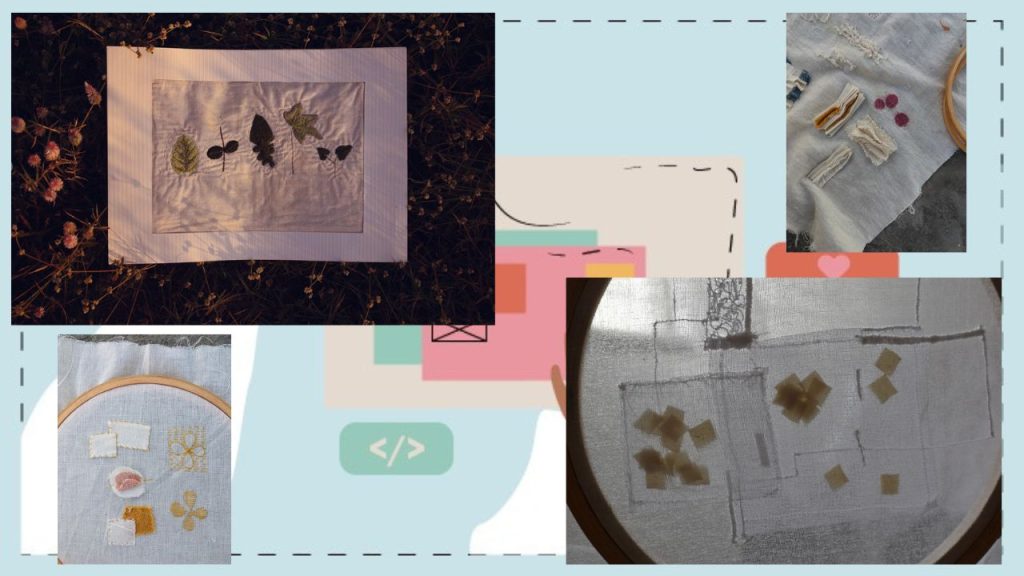
The journey from textile designer to UX designer has been an enriching fusion of my passion for creativity and my drive to enhance user experiences. Just as a textile designer weaves threads into a masterpiece, I now weave together elements of interaction, aesthetics, and empathy to create impactful digital experiences. The transition has taught me that skills are transferable, creativity is boundless, and embracing new challenges can lead to unexpected and rewarding paths.
Read more related blogs:
Spaces to Screens: Navigating a Career Change!
Chitragatha – The Indian Ikigai; A beautiful Medley
Frequently Asked Questions (FAQs)
1. What is Tholu Bommalata?
Tholu Bommalata is the traditional art of leather shadow puppetry practiced in Andhra Pradesh. The name literally translates to “dance of leather puppets.” It involves creating intricate puppets from translucent leather, which are then used to perform stories from epics like the Ramayana and Mahabharata against a backlit screen.
2. Where is the craft of Tholu Bommalata primarily practiced?
This age-old craft is primarily practiced in the small village of Nimmalakunta, located in the Dharmavaram Mandal of Anantapur district, Andhra Pradesh. The entire community here, regardless of age or gender, is involved in keeping this heritage alive.
3. What is the historical connection between Nimmalakunta artisans and Maharashtra?
Interestingly, the artisans of Nimmalakunta originally migrated from Maharashtra about 200 years ago. As noted in the blog, they still speak a unique dialect that is an amalgamation of Telugu and Marathi, often without realizing their linguistic roots in Maharashtra.
4. Who is Sri Sindhe Anjaneyulu?
Sri Sindhe Anjaneyulu is a National Award-winning artisan and a senior master of the Tholu Bommalata craft in Nimmalakunta. He is known for his hospitality and for performing intricate puppet shows, such as the Ramayana, preserving the traditional performance techniques of the art form.
5. Why is Tholu Bommalata referred to as “The Indian Ikigai” in this blog?
The blog draws a parallel between the Japanese concept of Ikigai (a reason for being) and the lives of the Nimmalakunta artisans. Despite financial struggles and a lack of modern luxuries, the artisans live with a profound sense of purpose, calm, and passion for their art, embodying a fulfilled and simple life.
6. What materials are used to make Tholu Bommalata puppets?
The puppets are traditionally made from leather, which is treated to become translucent. Artisans cure and tan the animal hide, then cut, punch, and paint it with vibrant colors. The transparency allows light to pass through, creating the glowing “shadows” seen during performances.